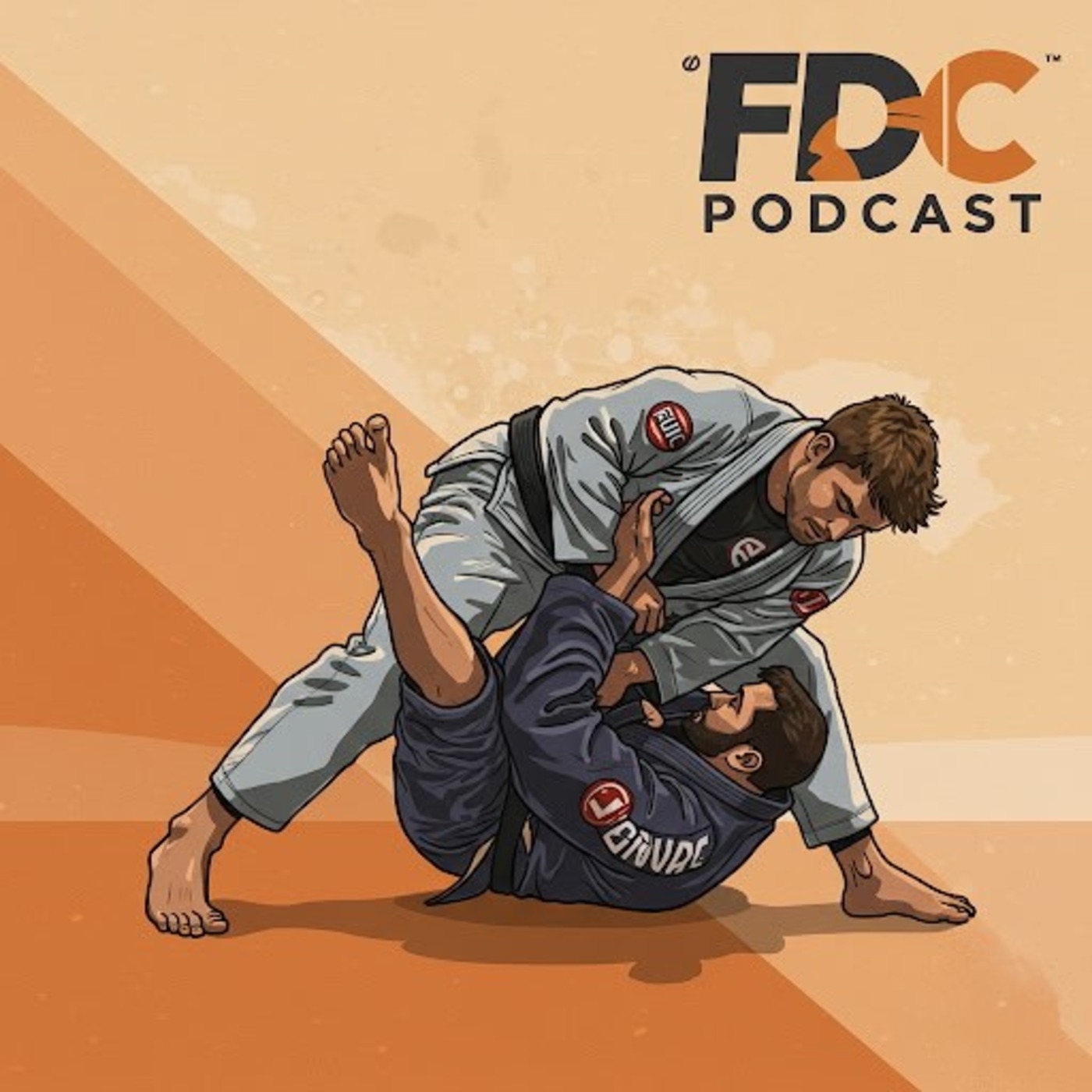
Why Blue Belt Ego Destroys Jiu-Jitsu Progress (And How to Fix It)
Blue belt ego is one of the most common stumbling blocks in grappling, characterized by a dangerous mix of newly acquired technical confidence and fragile arrogance. This article explores the psychological shift that happens when white belts turn blue, why this specific rank breeds unnecessary posturing on and off the mats, and practical ways practitioners can cultivate genuine humility to accelerate their long-term jiu-jitsu development.
Key Takeaways
- Blue belt energy refers to the distinct phase where grapplers possess enough technique to be dangerous, but lack the emotional maturity to stay calm.
- The psychological pressure to defend your rank often leads to defensive behaviors, unnecessary mat wars, and online posturing.
- As jiu-jitsu explodes in mainstream popularity, the widening base of the belt pyramid challenges traditional hierarchy and exclusivity.
- True confidence on the mat replaces the need to prove yourself with the realization that your skills speak for themselves.
- Embracing a beginner's mindset even after promotion is the single best antidote to the dreaded blue belt blues.
The Psychology of Blue Belt Energy
When you first step onto the mats as a white belt, survival is your only goal. You expect to get crushed, you accept being at the bottom of the food chain, and every submission you manage to sneak in feels like a minor miracle. But somewhere around the transition to blue belt, a psychological switch flips. You learn a few sweeps, string together a functional guard, and suddenly the illusion of mastery takes root.
This phenomenon, frequently discussed on grappling podcasts, is known as blue belt energy. It is a very specific flavor of arrogance born from moving out of the absolute beginner phase. You are no longer clueless, but you certainly are not an expert. Unfortunately, this in-between stage is where many practitioners feel the heavy burden of having to prove their rank to everyone in the room. Instead of focusing purely on problem-solving and learning, every training session becomes a high-stakes referendum on their jiu-jitsu honor.
Defending the Belt at All Costs
The core issue with blue belt energy is the obsession with defending the belt. When a practitioner views their rank as a fragile status symbol rather than a marker of ongoing education, every spar turns into a grueling war of attrition. If a fresh white belt gives them a hard time or a higher belt catches them in a sloppy submission, it feels like a personal failure rather than a normal part of the learning cycle.
This defensive posture prevents grapplers from trying new techniques. If you are terrified of losing your perceived dominance in the room, you will default to your A-game against everyone, stunting your ability to develop weaknesses into strengths. True growth requires the willingness to fail repeatedly in the safety of the training room.
Social Media and the Widening Belt Pyramid
In the early days of modern submission grappling, jiu-jitsu was an underground discipline. Gyms were sparse, information was guarded, and earning a blue belt genuinely meant you could handle yourself against the vast majority of untrained people on the street. That scarcity created a natural exclusivity that insulated the ego of early practitioners.
Today, the landscape looks entirely different. With the massive surge in popularity driven by social media, celebrity practitioners, and ubiquitous academy locations, the traditional belt pyramid is transforming into something resembling a skyscraper. The base is expanding exponentially. Thousands of kids who started training early are aging into adult colored belts, and millions of casual fans consume grappling content daily.
This cultural shift triggers intense existential panic among certain segments of the community. When everyone and their neighbor trains jiu-jitsu, the inherent status of holding a blue belt gets diluted. Online comment sections frequently erupt into petty status battles—mirroring the exact kind of defensive posturing seen in celebrity interviews or casual gym disputes—as practitioners scramble to validate their worth in an increasingly crowded ecosystem.
The Trap of Online Posturing
The anonymity of the internet amplifies blue belt energy tenfold. Keyboard warriors who would never dream of disrespecting a senior black belt in person will readily jump into comment sections to argue about who can beat up whom. This digital bravado is just an extension of the insecurity felt on the mats. When your identity is too tightly wound up in being a tough guy, any perceived threat to that identity—whether from a viral video, a celebrity statement, or a gym rival—triggers an immediate defensive reflex.
How to Overcome Ego and Survive the Blue Belt Blues
Recognizing blue belt energy in yourself is the first step toward curing it. If you find yourself leaving training sessions exhausted because you treated every round like the ADCC finals, it is time to recalibrate your internal compass.
- Focus on positions over submissions: Stop hunting for taps and start prioritizing positional dominance, escapes, and transitions.
- Embrace being smashed: Let higher belts work their games without resisting with reckless, injury-inducing force.
- Audit your mindset: Ask yourself whether you are training to improve your Jiu-Jitsu or to protect your ego.
- Compete if necessary: Sometimes, stepping onto a tournament mat provides the reality check needed to deflate an inflated sense of invincibility.
Ultimately, jiu-jitsu is a lifelong journey. The sooner you shed the armor of blue belt arrogance, the faster you will absorb the nuanced details that separate intermediate grapplers from true masters. To hear Scott Dance and Michael Sutherland break down these concepts even further with decades of combined grappling experience, check out the full conversation on the podcast. Listen to the full episode for more insights on gym culture, ego management, and training smarter.
Frequently Asked Questions
What is blue belt energy in jiu-jitsu?
Blue belt energy refers to the common phase of grappling development where practitioners possess enough technical knowledge to be dangerous, but lack the emotional maturity and security to handle sparring without letting their ego take over.
Why do so many people quit at blue belt?
Often called the 'blue belt blues,' practitioners frequently quit because the initial honeymoon phase of learning basic survival wears off, training expectations rise, and the pressure to maintain an inflated ego becomes mentally exhausting.
How has social media changed jiu-jitsu culture?
Social media has rapidly expanded the popularity of grappling, widening the base of the belt hierarchy and fueling online status battles, comment-section posturing, and anxieties about the dilution of belt exclusivity.
Is it normal to feel less confident after getting promoted to blue belt?
Yes. Earning a blue belt strips away the absolute beginner excuse, opening the door to higher expectations from training partners and leading many grapplers to temporarily question their actual skill level and progression.