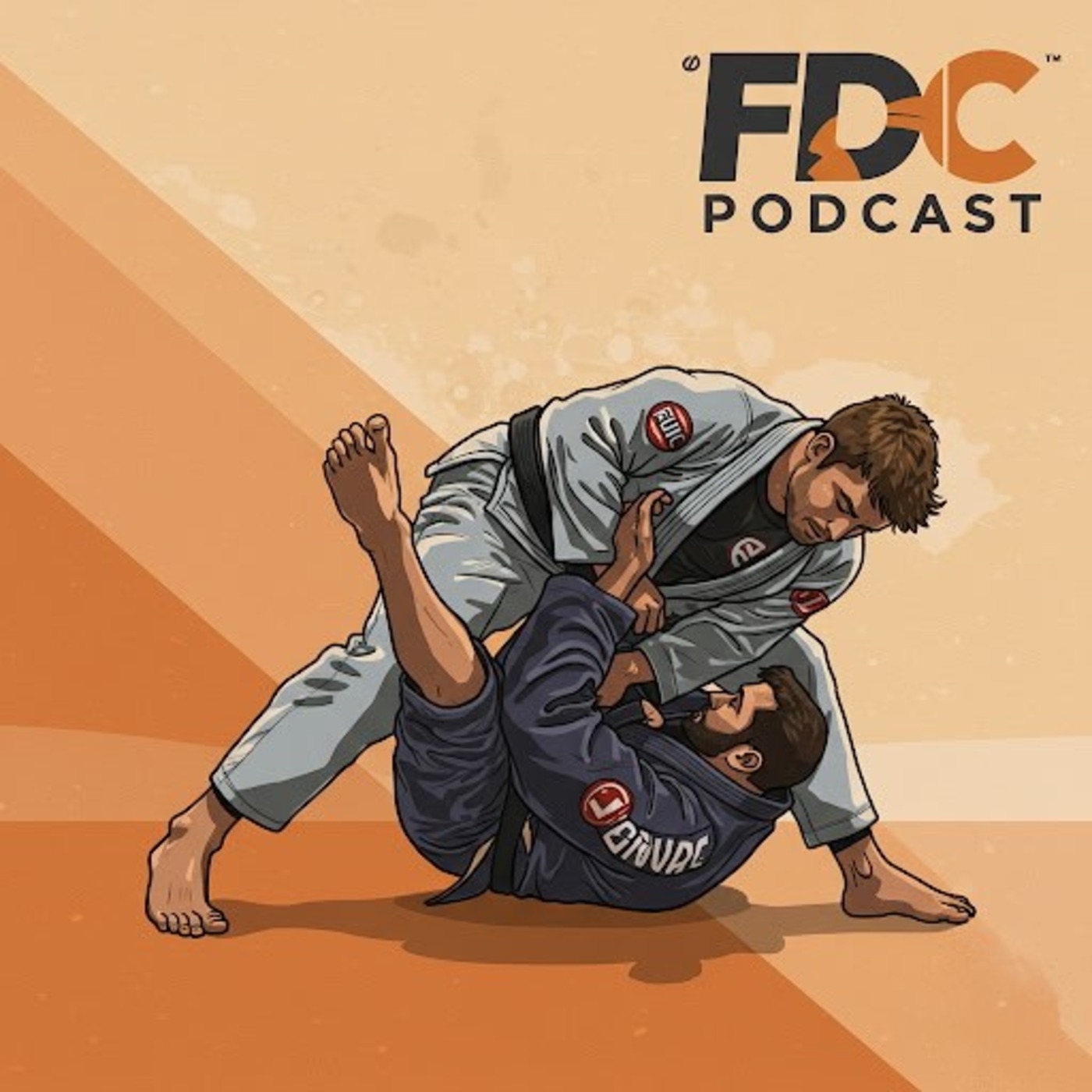
Why Sticking to Safe Training Partners Is Stalling Your Jiu-Jitsu Growth
Sticking to the same familiar training partners every session creates a false sense of mastery that quietly stalls your jiu-jitsu progression. By exclusively seeking out rolls you know you can win, you avoid the critical resistance and unexpected setups needed to truly stress-test your grappling game, leaving your technique fragile when faced with higher-level pressure.
Key Takeaways
- Relying exclusively on familiar training partners creates a false sense of security and halts technical evolution.
- Deliberately seeking out higher belts forces your techniques to stand up against resistance and pressure.
- Comfort acts as a psychological trap, making grapplers avoid the exact positions they need to troubleshoot.
- True skill progression in grappling requires balancing familiar drilling with chaotic, unpredictable sparring environments.
The Comfort Trap in Daily Training
Human psychology is fundamentally wired to avoid friction. When you walk onto the mats after a long workday, your brain naturally seeks the path of least resistance. You look across the room, spot your favorite training partner—let's call him Bob—and gravitate toward him because you know exactly how his guard plays, how he reacts to your knee cuts, and how to safely navigate his offense.
On paper, getting high-volume repetitions against a cooperative or familiar peer feels productive. You hit your sweeps, you secure your favorite submissions, and you leave the gym feeling great about your game. But that feeling of accomplishment is often an illusion. When your techniques only work against one specific body type and reaction set, you are not building a dynamic martial art; you are building a localized party trick.
If you never test your A-game against someone who fundamentally understands how to dismantle it, you never discover the hidden structural flaws in your setup. The moment you try those same mechanics on a visiting brown belt or a competitive black belt who refuses to cooperate, your entire sequence evaporates. Avoiding that friction feels good in the short term, but it acts as a silent ceiling on your technical ceiling.
Identifying Your Gym Echo Chamber
An echo chamber on the mats happens when you curate your training environment to eliminate unpleasant surprises. You decline rolls with the spazzy white belt because you might get caught in a sloppy neck crank. You avoid the heavy wrestling-heavy purple belt because you hate starting underneath side control. Instead, you cycle through the same three people who play right into your preferred guard style.
Recognizing this pattern requires brutal honesty. Ask yourself: When was the last time I actively sought out a training partner who completely nullified my favorite position? If you have to think back longer than two weeks, you are trapped in the comfort zone. Breaking out requires treating every training session not as a performance review where you need to look good, but as a laboratory where failure is the most valuable data point you can collect.
The Higher Belt Reality Check
One of the fastest ways to shatter the illusions built by comfortable training is to step up the food chain and ask higher belts for rolls. Brown and black belts do not care about your ego; they care about pressure, timing, and efficiency. When you engage with someone who is two or three steps ahead of you in the grappling hierarchy, your margin for error shrinks to absolute zero.
When you attempt your standard guard pass on a seasoned upper belt and get smoothly reverse-engineered into a counter-submission, you receive immediate, unfiltered feedback. That feedback is uncomfortable. It hurts your pride, and it forces your nervous system to wake up. However, that exact moment of failure is where actual learning begins.
Instead of retreating back to your comfort zone after getting tapped five times in a single round, adopt the mindset of a detective. Where did your posture break? Which grip failed first? Did you lose inside position because you were rushing your offense? Upper belts usually possess a wealth of diagnostic insight; often, if you ask them respectfully after the round what they felt, they will happily tell you the exact moment your defense cracked.
Rewiring Your Brain to Chase Friction
To continuously level up your jiu-jitsu, you have to trick your brain into viewing friction as a reward rather than a punishment. This is where the concept of embracing the hard path becomes actionable. If a certain position or submission escape makes your stomach churn because you are terrible at it, that is precisely the position you should be volunteering for during positional sparring rounds.
Start instituting personal quotas and habits that disrupt your comfort. For example, mandate that every time you train, your first live round must start from a bad position—underneath side control, stuck in a deep half guard, or defending a tight back-take. By forcing yourself to solve complex puzzles under immense physical stress, you build a durable, stress-tested confidence that cannot be shaken by a bad tournament bracket or a tough gym visitor.
Balancing Chaos and Control for Long-Term Growth
While chasing discomfort is vital for progression, successful jiu-jitsu longevity requires a careful balance between chaos and control. You cannot live in a perpetual state of red-lining survival without burning out physically and mentally. The goal is not to abandon all comfort forever, but to continuously expand the borders of what you can handle.
Think of your comfort zone as a muscle. If you never lift heavy weights, your muscle stays small and weak. If you try to lift maximum weight every single second of every day, you tear your tendons and end up injured on the couch. You need the structured sanctuary of drilling your core moves and executing reliable sequences, but you also need to regularly venture out into the chaotic, unpredictable waters of open mats and difficult rounds.
When you successfully survive an uncomfortable position over and over again, something remarkable happens: that chaotic position slowly migrates into your bastion of comfortability. What used to be a terrifying panic-inducing submission threat becomes just another puzzle you know how to patiently unpack. That is how belts are earned, and that is how true technical mastery is forged over decades of grappling.
To dive deeper into the philosophy of moving past stagnation, handling high-pressure environments, and transforming gym struggles into tangible skills, make sure to Listen to the full episode of Fighters Drinking Coffee for more direct insights from decades of mat experience.
Frequently Asked Questions
Is it bad to roll with the same training partner every day?
Not entirely, but exclusively rolling with someone you easily defeat creates a feedback loop of comfort that limits your exposure to varied styles, speeds up stagnation, and prevents you from testing your techniques under real defensive pressure.
How do I approach a higher belt for a roll without being awkward?
Most upper belts are happy to roll if you approach them respectfully, bow, and ask for a round. You can even frame your request by stating you want to work on your defense or bottom game from a specific position.
What should I do if my favorite moves stopped working against better partners?
That is a sign of technical evolution. Instead of abandoning the position, treat it as a data-gathering mission. Analyze where your control points are failing under pressure and make micro-adjustments to your grips and posture.
How do I know if I am falling into the comfort trap in my gym routine?
If you leave practice every day feeling completely untired, unchallenged, and never getting submitted or swept, you are likely operating entirely within your comfort zone and missing opportunities for rapid skill acquisition.