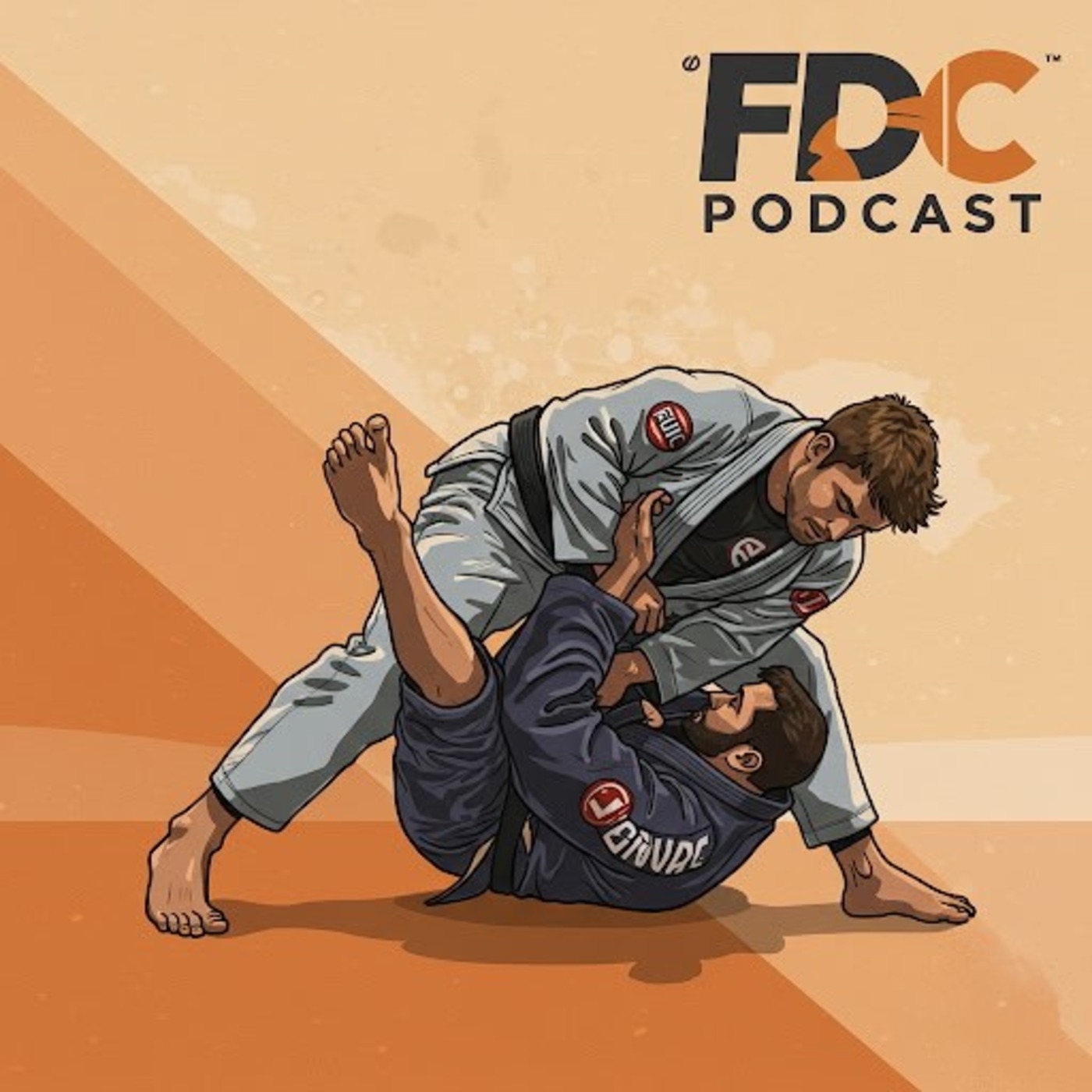
How to Deal With the 0 to 100 Jiu-Jitsu Training Partner Without Getting Hurt
Navigating the complex ecosystem of a martial arts academy means dealing with the unpredictable 0 to 100 Jiu-Jitsu training partner. This comprehensive guide explores practical coaching strategies, communication tactics, and boundary-setting techniques to keep your rolls safe, productive, and injury-free when facing erratic gym members who lack a middle gear.
Key Takeaways
- The 0 to 100 archetype alternates between completely relaxed and explosive, erratic full-speed intensity.
- This intensity pattern is most common in intermediate, athletic grapplers rather than absolute beginners or heavyweights.
- Clear communication and setting explicit pacing boundaries are essential before initiating a round.
- Gym leadership must actively shepherd these erratic training partners toward experienced grapplers who can safely manage them.
Understanding the 0 to 100 Grappling Phenomenon
Every Brazilian Jiu-Jitsu gym features a diverse collection of personalities, but few test your patience and defensive awareness quite like the 0 to 100 partner. Unlike the traditional spazzy white belt who moves frantically out of sheer survival instinct, the true zero-to-one-hundred athlete often possesses decent foundational skills or high-level athleticism. The core issue is not a lack of technique, but a total absence of a middle gear. They are either completely dormant or operating as a Tasmanian devil on espresso.
When you lock up with this archetype, you notice immediate, wild speed changes. One second you are playing a relaxed open guard, and the next millisecond you are defending a frantic, explosive takedown or submission attempt launched with maximum force. Recognizing this behavioral pattern early in the round is the primary key to preventing accidental injuries and preserving your longevity on the mats.
Physical Profile and Weight Class Tendencies
Interestingly, the 0 to 100 behavior does not distribute evenly across all body types. Experience shows that ultra-heavyweights rarely fall into this category because their sheer mass makes constant explosive sprinting physically unsustainable. Conversely, smaller featherweights might move fast, but their lack of mass dampens the danger.
The sweet spot for the 0 to 100 archetype typically lands in the middle to light-heavy range, roughly 175 to 200 pounds. These grapplers possess enough strength and explosive fast-twitch muscle fibers to be genuinely dangerous when operating unchecked, yet they are agile enough to transition between static strength and hyper-speed movements instantly. Identifying this athletic profile helps you mentally prepare before you even step onto the mat with them.
Communication Strategies for Managing Intensity
Hope is not a strategy when dealing with an unpredictable training partner. If you suspect your partner struggles with pacing, proactive verbal communication is mandatory before the timer starts. Vague requests like "let's go light" often fail because a 0 to 100 grappler's internal gauge of fifty percent effort might still feel like a life-or-death struggle to you.
Instead, use precise boundaries and actionable prompts:
- Establish a strict flow-rolling rule where submissions are catch-and-release.
- Explicitly state a percentage ceiling, such as agreeing to cap physical output at a conversational pace.
- Interrupt the round immediately if the intensity spikes past the agreed threshold to reset the physical tone.
By defining the operational limits early, you remove the guesswork and place the responsibility of pacing squarely into the open.
The Role of Gym Leadership and Upper Belts
Gym culture relies heavily on the collective immune system of the academy to filter out dangerous behaviors and shape new athletes into reliable training partners. When a wild stallion enters the gym, instructors and senior belts must act as shepherds. Letting a volatile grappler loose on day-one trial students or smaller, injury-prone hobbyists is a recipe for disaster.
Advanced belts serve a vital function by absorbing the chaos. When a brown or black belt rolls with a 0 to 100 partner, they can effectively "break the stallion" by matching pressure defensively, neutralizing explosive outbursts, and teaching proper mat etiquette through physical feedback rather than lectures. Over time, consistent exposure to composed upper belts forces the erratic partner to calibrate their internal thermostat.
Conclusion
Dealing with unpredictable training partners is an inevitable rite of passage in grappling, but you do not have to leave your physical safety to chance. By recognizing physical profiles, communicating pacing boundaries proactively, and relying on experienced leadership to corral erratic energy, you can protect your body while helping others evolve into better training partners. For a hilarious and deep dive into all the unforgettable archetypes you will encounter on the mats, make sure to Listen to the full episode of Fighters Drinking Coffee for more laughs, insights, and community stories.
Frequently Asked Questions
What is a 0 to 100 Jiu-Jitsu training partner?
A 0 to 100 partner is a grappler who struggles with pacing, instantly shifting from zero intensity to explosive, erratic, full-bore movement without warning.
How do you tell a training partner to slow down without offending them?
Keep it light and direct before the round starts by setting clear parameters, such as asking for a specific percentage of effort or establishing a technical flow roll.
Are 0 to 100 partners always new white belts?
Not necessarily. While beginners often display erratic pacing, the true 0 to 100 archetype frequently appears in athletic grapplers in the 175 to 200-pound range who lack a middle gear.
Should instructors pair erratic partners with smaller grapplers?
No. Gym culture and coaches should consciously relegate wild or high-intensity partners to experienced upper belts who possess the defensive skills and size to safely absorb and manage the chaos.