BJJ Gym Etiquette: How to Deal With the Substitute Teacher in Class
Getting this one out a day late, but here is a deeper look at one of our archetypes from the newest installment of the Menagerie on the Mats!
Navigating Brazilian Jiu-Jitsu culture means interacting with a colorful cast of characters, but few are as uniquely disruptive as the uncertified student coach. This guide explores the psychology behind the mat substitute teacher, why unsolicited mid-drill instruction happens, and actionable strategies for preserving class structure without destroying gym morale.
Key Takeaways
- The substitute teacher archetype refers to a BJJ student who unsolicitedly tries to coach others or changes the technique mid-drill.
- This behavior is rarely malicious; it usually stems from high enthusiasm, short attention spans, or recent Instagram instructional rabbit holes.
- Unsolicited coaching disrupts class curriculum, wastes valuable mat time, and can confuse less-experienced training partners.
- Coaches and gym members can manage these interruptions by gently redirecting focus back to the core lesson and establishing firm mat boundaries.
The Anatomy of the BJJ Substitute Teacher
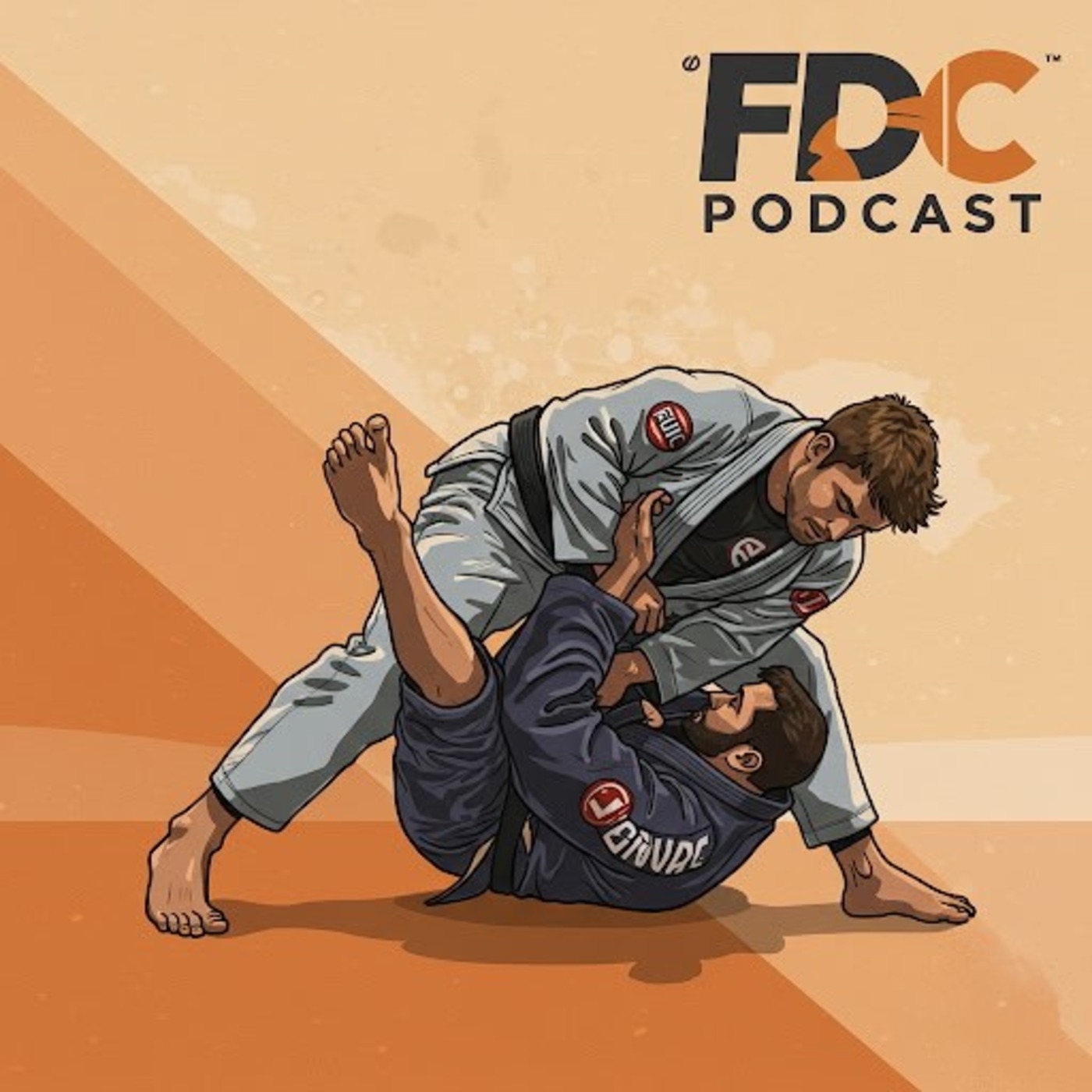
Every grappling academy has them. You step onto the mats for a structured fundamental class focusing on side control escapes. The instructor spends ten minutes breaking down precise framing, hip movement, and underhook management. You lock up with your training partner to drill the sequence, and within thirty seconds, your partner stops you mid-movement.
"Hey, you shouldn't do it that way," they whisper. "Let's try this inverted leg-lock entry I saw on YouTube this morning instead."
Congratulations, you have just encountered the mat substitute teacher. This individual is not an assistant instructor, nor were they tapped by the head professor to lead a segment of the class. They are simply a fellow student—often a blue or purple belt filled with misplaced zeal—who has decided that their personal preferences trump the scheduled curriculum.
While harmless on paper, this behavior introduces chaos into an environment that relies heavily on structured repetition. Understanding why these characters operate the way they do is the first step toward managing them effectively.
Why Do Students Start Coaching Their Partners?
It is easy to label the substitute teacher as an egomaniac or a disrespectful nuisance, but the reality is usually far more benign. Most of the time, these actions stem from genuine enthusiasm mixed with a severe case of short-term attention drift.
The Instagram Algorithmic Rabbit Hole
Modern grapplers are bombarded with highlight reels, quick-cut technique videos, and high-level instructional snippets the moment they open their phones. A student scrolling through social media in the parking lot before class might absorb a flashy transition or a high-percentage submission chain. By the time they step onto the mats, that new concept is burning a hole in their brain.
Because BJJ players love sharing discoveries, their immediate impulse is to test out the shiny new toy on the nearest available human being. Unfortunately, that human being happens to be trying to learn a completely different sequence assigned by the head coach.
The Illusion of Mastery
Another common driver behind unsolicited coaching is the Dunning-Kruger effect in real-time. Once a student successfully hits a sweep or escape two or three times against a compliant partner, they suddenly feel qualified to disseminate that knowledge to the entire room. They confuse personal discovery with universal teaching authority, forgetting that what works for their specific body type and game might completely derail a beginner's fundamental development.
The Hidden Costs of Unsolicited Mat Instruction
Ignoring the substitute teacher might seem like the easiest path, but unchecked mid-drill coaching carries real consequences for the training room ecosystem.
First, it disrespects the instructor's time and methodology. Head coaches spend hours mapping out coherent curricula. They build progressions over weeks and months so that foundational movements stack logically upon one another. When students randomly pivot to unrelated techniques, it fractures the learning environment.
Second, it heavily penalizes training partners, particularly lower belts who are trying to build muscle memory. If a white belt is constantly pulled out of a side-control escape drill to practice an advanced heel hook, their core development stalls. They lose the valuable repetitions necessary to make fundamental reactions instinctive.
How to Handle the Substitute Teacher Diplomatically
Whether you are a head coach running the floor or a student paired up with an overly eager partner, dealing with this archetype requires a balance of firmness and diplomacy.
For Students: How to Redirect Your Partner
If your training partner tries to take you off-script, you do not need to start a feud, but you do need to protect your training time. Use polite boundary-setting:
- Acknowledge and pivot: "That leg lock looks awesome, but I really need to get my side control escapes dialed in for tonight."
- Defer to the open mat: "Let's stick to what the professor showed for the drilling portion, and we can run your sequence when open sparring starts."
- Hold the line: If they persist, gently refuse to participate in the detour. Keep resetting to the assigned position.
For Coaches: Establishing Firm Boundaries
Instructors have to be proactive. If a particular student makes a habit of turning every technical drilling segment into their own private seminar, private corrections may be necessary. Pull them aside and remind them that the drilling block is designed for specific, unified goals. Remind them that if they want total freedom to experiment, open mats exist for that exact reason.
Conclusion
Gym characters make the jiu-jitsu journey endlessly entertaining, but managing personalities like the substitute teacher is vital for maintaining a productive training culture. Enthusiasm for grappling is a wonderful trait, provided it is channeled at the appropriate time and place.
For more hilarious breakdowns of gym archetypes, listener confessions, and deep dives into grappling culture, check out the complete conversation. Listen to the full episode and join the community to hear more stories from the mats!
Frequently Asked Questions
What is a BJJ substitute teacher archetype?
A substitute teacher in jiu-jitsu is a student who lacks official instructor status but frequently interrupts drills to teach alternative techniques, correct their partner unprompted, or veer off into completely different positions.
Are BJJ substitute teachers intentionally disrespectful?
Almost never. This behavior typically stems from excitement, short-term attention drift, or seeing a new move on social media right before class, rather than a malicious desire to undermine the instructor.
How should you react if your partner tries to teach you a different move during drills?
Politely acknowledge their input, but firmly remind them of the current objective. Say something like, 'That looks cool, but let's stick to the instructor's technique for now and we can drill that later during open mat.'
How can gym owners handle repetitive substitute teacher behavior?
Instructors can gently cordon off disruptive students, set clear expectations at the start of class, and occasionally use lighthearted humor to pull distracted grapplers back to the core curriculum without causing unnecessary public embarrassment.