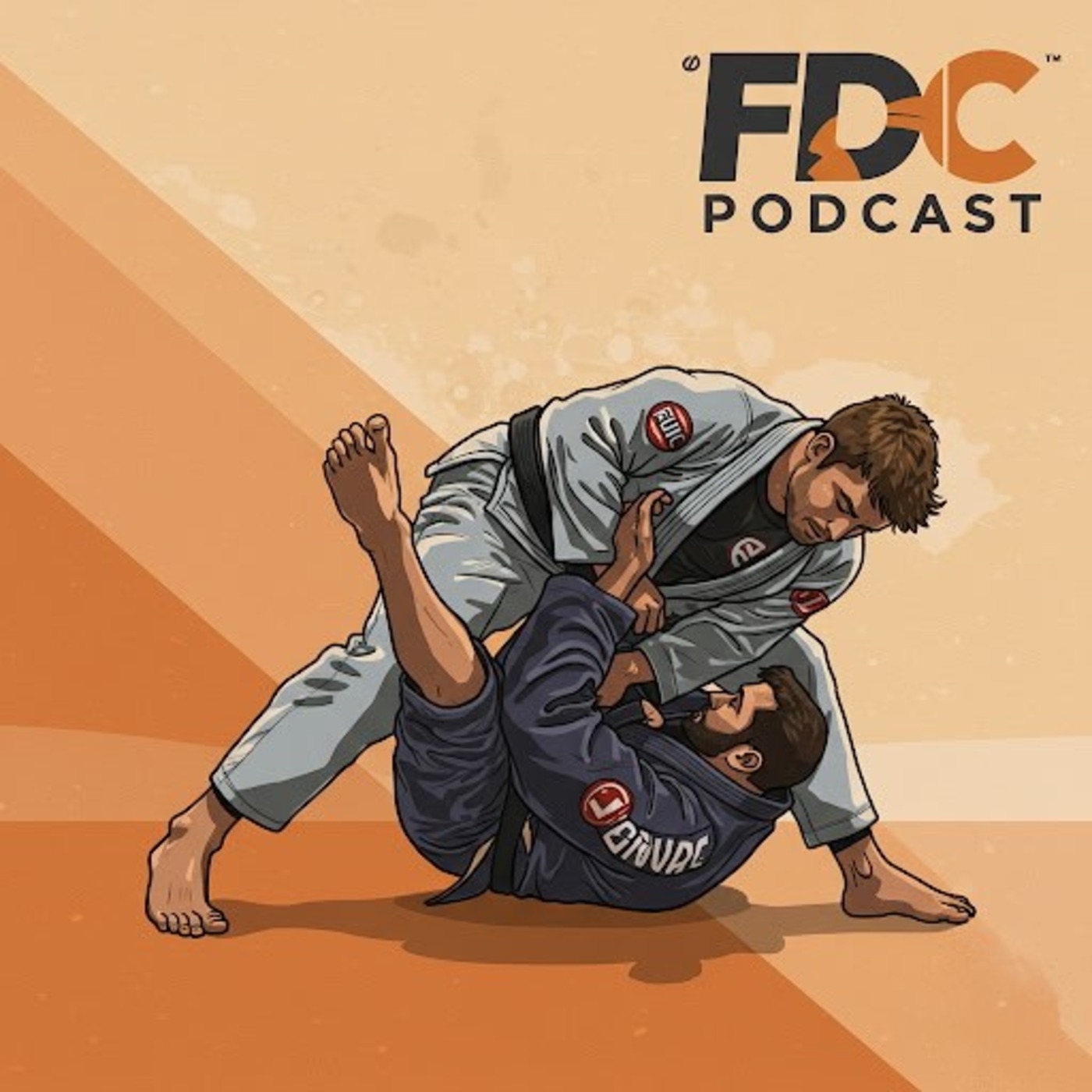
Jiu-Jitsu Injury Prevention: 5 Lessons from 40 Years of Grappling Experience
Discover how to avoid common Jiu-Jitsu injuries by learning from the hard-earned mistakes of seasoned grapplers. This post distills key principles for safe training, focusing on proactive measures and smart recovery strategies that seasoned practitioners Scott Dance and Michael Sutherland advocate for. Learn to protect your body and extend your Jiu-Jitsu journey.
Key Takeaways
- Prioritize listening to your body to avoid pushing through significant pain, which often leads to long-term injuries.
- Understand that 'brutal conditioning' can be counterproductive if it leads to overtraining and neglects proper recovery.
- Learn to differentiate between discomfort and genuine injury signals, and adjust training accordingly.
- Emphasize technique and positional control over brute strength to minimize joint stress and accidental injuries.
- Acknowledge that recovery is an integral part of training, not an afterthought, involving rest, nutrition, and potentially therapeutic interventions.
The True Cost of Training Through Pain
In the intense world of Jiu-Jitsu, there's often a culture that glorifies pushing through pain. While a certain level of discomfort is inherent to grappling, mistaking it for a sign of toughness can be a fast track to debilitating injuries. Scott Dance and Michael Sutherland, with their combined four decades on the mats, have seen and experienced the fallout of this mindset firsthand. They emphasize that many severe injuries don't happen in a single dramatic moment but are often the cumulative result of ignoring persistent aches and pains. This approach, often fueled by ego or a desire to not 'tap out,' can lead to chronic issues that sideline practitioners for months, if not years, and can even end careers prematurely.
Recognizing the Difference Between Discomfort and Injury
Distinguishing between the normal soreness of a hard training session and the warning signs of an impending injury is a critical skill. Normal discomfort might feel like muscle fatigue, general soreness, or a mild ache in joints that are being worked. This type of feeling usually subsipates with a day or two of rest and proper recovery. Injury, on the other hand, often presents as sharp, persistent pain, swelling, limited range of motion that doesn't improve with rest, or pain that intensifies with specific movements. The hosts of Fighters Drinking Coffee stress the importance of developing self-awareness on the mats. This means not just focusing on the technique or the roll, but also actively checking in with your body. Are you feeling a twinge that’s getting worse? Is a joint clicking in a way it never has before? These are not signs to be ignored or pushed through. They are signals that something is wrong and requires attention.
Why 'Brutal' Conditioning Can Be Detrimental
The idea of 'brutal' conditioning often conjures images of intense, grueling workouts designed to push athletes to their absolute limits. While fitness is undeniably crucial in Jiu-Jitsu, the hosts argue that an overemphasis on extreme conditioning, especially when it's not smart or sustainable, can be detrimental. This can manifest in several ways. Firstly, excessive conditioning can lead to overtraining, where the body doesn't have adequate time to recover between sessions. This exhaustion increases the risk of injury, as fatigue impairs judgment, coordination, and reaction time. Secondly, it can lead to burnout, where the sheer intensity of the training makes the activity unsustainable and unenjoyable. The Fighters Drinking Coffee podcast advocates for smarter training plans that integrate conditioning in a way that supports, rather than hinders, technical development and long-term participation. This means focusing on functional strength and endurance that directly translates to grappling, and ensuring that conditioning sessions are balanced with ample recovery time.
The Wisdom of Tapping Early and Often
Tapping is often perceived as a sign of weakness, but in reality, it's a sign of intelligence and self-preservation. Scott and Michael highlight that their extensive experience has taught them the profound value of knowing when to submit. An early tap, before a joint is hyperextended or a limb is trapped in a compromising position, can save a practitioner from weeks, months, or even years of recovery. They recount instances where pride or stubbornness led to injuries that could have been easily avoided by a simple tap. This isn't just about avoiding immediate pain; it's about preserving your ability to train and compete in the future. The ability to consistently train and refine skills is far more valuable than winning a single roll at the expense of your long-term Jiu-Jitsu journey. Embracing the tap as a tool for learning and survival is a cornerstone of their philosophy for injury-free grappling.
Prioritizing Technique Over Raw Strength
While strength and conditioning have their place, the hosts strongly advocate for prioritizing technical proficiency. Jiu-Jitsu is often described as a physical chess match, and the effectiveness of techniques often relies on leverage, timing, and body mechanics rather than brute force. Relying too heavily on strength can lead to improper technique execution, putting unnecessary strain on joints and muscles. For example, muscling through a submission attempt instead of using proper mechanics can lead to shoulder or elbow injuries. Similarly, trying to power out of a position rather than using effective shrimping or bridging can result in back or hip issues. By focusing on mastering the subtle details of techniques, practitioners can become more efficient, conserve energy, and significantly reduce the risk of injury. This refined approach ensures that your body is working smarter, not just harder, protecting it for countless training sessions to come.
Integrating Recovery as a Core Training Component
One of the most overlooked aspects of training, in any sport, is recovery. The 'Fighters Drinking Coffee' hosts emphasize that recovery isn't just about resting when you're hurt; it's an active and essential part of the training process itself. This includes adequate sleep, proper nutrition, hydration, and potentially active recovery methods like stretching, foam rolling, or light mobility work on off days. They suggest that viewing recovery with the same seriousness as a training session will lead to faster progress, better performance, and significantly fewer injuries. When your body is properly recovered, it's more resilient, better able to perform, and more adept at repairing itself. Neglecting recovery is akin to neglecting the very foundation upon which your training is built, making it unstable and prone to collapse – often in the form of an injury.
Building Longevity on the Mats
The ultimate goal for many Jiu-Jitsu practitioners is longevity – the ability to train and enjoy the art for decades. The lessons shared by Scott and Michael are not just about avoiding immediate injuries but about cultivating a sustainable approach to training. This involves a holistic view that balances intensity with intelligent recovery, technique with functional strength, and ego with self-awareness. By internalizing these principles, practitioners can develop a resilient body and mind, capable of navigating the physical demands of Jiu-Jitsu while continuing to learn and grow. It’s about building a relationship with your body that allows for consistent progress without the constant threat of being sidelined by preventable injuries. This mindset shift transforms training from a short-term grind into a lifelong pursuit.
For a deeper dive into these crucial aspects of Jiu-Jitsu training and to hear more insights from Scott and Michael, Listen to the full episode. Their experiences offer invaluable guidance for anyone looking to train smarter and stay injury-free.
Frequently Asked Questions
How can I tell if a pain is just soreness or an actual injury?
Sharp, sudden pain, pain that worsens with movement, swelling, and limited range of motion that doesn't improve are often signs of injury. Persistent dull aches that don't subside with rest or activity, or pain that feels deeper and more localized than general muscle fatigue, also warrant caution.
Is it ever okay to train through minor pain?
While normal muscle soreness and fatigue are part of training, it's generally advised to avoid training through any pain that feels sharp, persistent, or significantly limits your movement. Listen to your body; if a movement causes alarmingly sharp pain, it's best to stop. Pushing through can turn a minor issue into a major injury.
What are some effective recovery strategies for Jiu-Jitsu practitioners?
Effective strategies include prioritizing 7-9 hours of quality sleep, maintaining a balanced diet rich in protein and micronutrients, staying well-hydrated, incorporating active recovery like light stretching or foam rolling on off days, and managing stress levels.
How does focusing on technique reduce injury risk?
When you focus on proper technique, you utilize biomechanics and leverage effectively, reducing the need for brute strength. This minimizes strain on your joints and muscles, preventing common injuries like sprains, strains, and joint hyperextension that often occur when individuals try to power through positions or submissions incorrectly.
What is the role of ego in Jiu-Jitsu injuries?
Ego can lead practitioners to ignore pain signals, avoid tapping when caught in a submission, or push themselves too hard in training. This pride-driven behavior often results in injuries that could have been easily avoided by tapping early, resting when needed, or admitting limitations rather than risking physical harm.