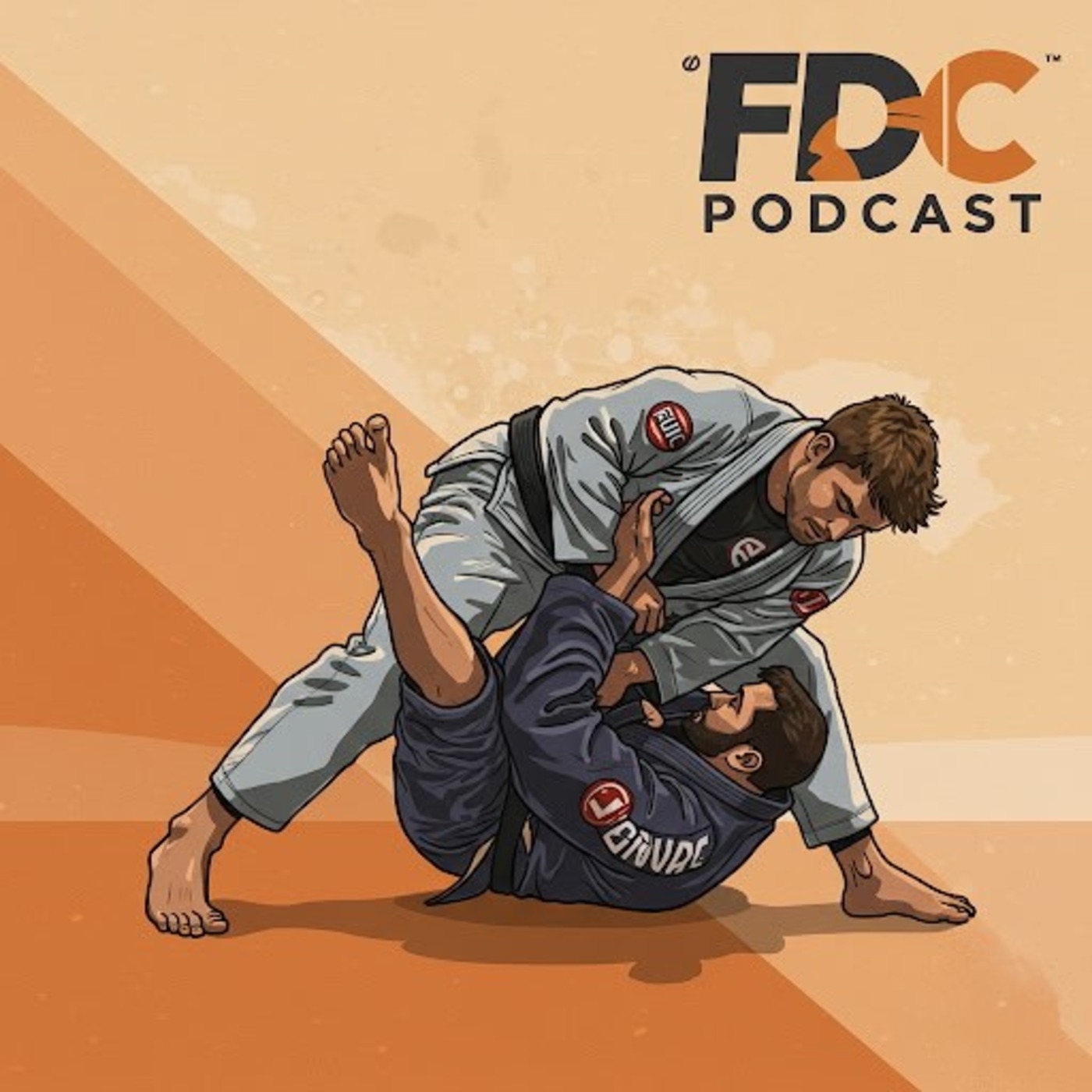
Beyond the Podium: Tactical Adjustments from the Chicago Open
Welcome back to the blog, everyone! In our latest episode, Episode 60, titled "Chicago Open Recap: Medals, Grub & Deep-Dish Debriefs," we dove headfirst into the exciting, and at times grueling, world of high-level competition. We recapped the successes, the near misses, and of course, the legendary Chicago culinary scene that fueled our athletes. But today, on the blog, we're going to go deeper than just the medal count and the delicious debates. We're going to dissect the tactical battlefield, the split-second decisions, and the crucial adjustments that truly separated the champions from the contenders at the Chicago Open. This post is for anyone who's ever wondered what goes on inside an athlete's head during a match, or for those looking to inject a more strategic approach into their own training. If you haven't listened to Episode 60 yet, you can catch up right here: Chicago Open Recap: Medals, Grub & Deep-Dish Debriefs (Episode 60). Now, let's get into the nitty-gritty of what makes a champion tick.
The Chicago Open's Tactical Crucible
The Chicago Open is more than just a tournament; it's a crucible. It’s where the countless hours of drilling, conditioning, and theoretical study are put to the ultimate test. In the heat of competition, under the pressure of the clock, the spotlight, and the opponent, athletes are forced to make decisions in fractions of a second. It's during these moments that true tactical acumen shines through. We saw this time and again at the Chicago Open. It wasn't just about who was stronger or who had better technique in a vacuum; it was about who could adapt, who could recognize a weakness in their opponent, and who could exploit it effectively. This tournament served as a fantastic case study for the evolution of strategy in our sport, highlighting that while fundamentals are key, the ability to make real-time adjustments is often the differentiator between a good performance and a winning one.
Key Tactical Adjustments Observed During Matches
One of the most striking aspects of the Chicago Open was the sheer variety of tactical adjustments witnessed across different matches. It wasn't a monolithic approach to competition; rather, it was a dynamic ebb and flow of strategies. We observed athletes who, after an initial phase of probing and feeling out their opponent, would decisively shift gears. This could manifest in several ways:
Shifting Stance and Base
A seemingly minor adjustment like altering one's base or stance can have profound implications. We saw competitors who, perhaps finding their usual top-heavy approach being countered, would immediately transition to a lower, more rooted stance to defend against sweeps. Conversely, athletes who were being bogged down with heavy pressure might subtly shift their hips, creating just enough space to initiate a dynamic guard pass or a sudden scramble. These weren't flashy, pre-planned maneuvers; they were instinctive reactions to the immediate pressure and flow of the match. The ability to sense when one's base was compromised and to react with a quick, subtle shift demonstrated a high level of proprioception and tactical awareness.
Pace and Tempo Control
Another significant tactical adjustment involved the manipulation of pace. Some athletes, finding themselves in a back-and-forth exchange, would deliberately slow the tempo. This could be to catch their breath, to disrupt their opponent's rhythm, or to set up a more calculated attack. In other instances, a competitor might suddenly inject a burst of high-octane offense, overwhelming their opponent with a rapid succession of attacks. The key here is understanding when to dictate the pace and when to react to it. It's about controlling the fight's tempo, not just being a passenger in it. We saw instances where an athlete was getting outworked in a fast-paced exchange, only to then impose their will by slowing things down, dictating where the fight went, and conserving energy for critical moments.
Angle and Distance Management
The ability to effectively manage angles and distance is a cornerstone of tactical grappling. During the Chicago Open, we saw athletes who, after being caught in a disadvantageous position, would immediately work to create better angles. This could mean hip escaping to create space for a sweep, or posturing up to create a better passing lane. Similarly, distance management was crucial. Some grapplers excelled at maintaining a tight connection to nullify their opponent's preferred ranges, while others masterfully created and exploited small gaps to initiate sweeps or submissions. The athletes who were most successful were often the ones who could consistently control where the fight took place, preventing their opponent from operating in their optimal zones.
Grip Fighting Adjustments
Grip fighting is the chess match within the chess match. At the Chicago Open, we saw many instances where an athlete’s initial grip strategy was nullified or countered. The successful competitors were those who could quickly identify this and adapt. This might involve switching from a cross-collar grip to a sleeve grip to initiate a takedown, or vice-versa. It could also mean aggressively attacking their opponent's grips to break them down and create openings. The most impressive displays of grip fighting involved a proactive approach – not just reacting to the opponent's grips, but actively seeking to dismantle them and establish their own dominant hand-fighting positions. We observed athletes who, after a few failed attempts to secure a particular grip, would immediately transition to a different approach, demonstrating a deep understanding of grip dynamics.
Live Coaching Insights: Real-Time Strategy on the Mats
One of the most invaluable aspects of the Chicago Open, and something we touched on in Episode 60, was the opportunity for isolated coaching in film review, particularly with the mic'd-up coaches. This provided an unprecedented glimpse into the real-time tactical adjustments being made. The coaches weren't just shouting generic encouragement; they were actively analyzing the match and providing specific, actionable advice:
Identifying Opponent Tendencies
"He's favoring that left-side pass, work to deny it." "She's always looking for that ankle pick when you posture up." These were the kinds of observations coaches were relaying. This highlights the importance of scouting and recognizing patterns in an opponent's game, but more importantly, the ability to communicate those observations effectively in the heat of the moment. The athletes who could immediately process and implement this feedback often saw the tide of the match turn in their favor.
Reinforcing Strengths and Exploiting Weaknesses
Coaches would also guide athletes to lean into what was working. "Keep that pressure on. That's your pass." Or, conversely, they would identify and target opponent weaknesses. "He's getting tired on his knees. Push the pace there." This demonstrates a dual focus in live coaching: reinforcing successful strategies and actively seeking out and exploiting vulnerabilities. It's about playing to your strengths while simultaneously creating problems for your opponent.
Mental Fortitude and Tactical Reminders
Beyond the technical advice, coaches played a crucial role in maintaining the athlete's mental fortitude. "Stay calm. You've got this." "Don't get frustrated, stick to the plan." These words of encouragement, coupled with reminders of the overall game plan, were vital. It's easy to get caught up in the emotion of a match, and the coach acts as a crucial anchor, keeping the athlete focused on the tactical objective. We heard instances where an athlete might be getting discouraged, and the coach's voice would cut through, reminding them of a specific submission they were working on or a particular sweep they had drilled.
Match-by-Match Breakdowns: Learning from Success and Setbacks
While we can't detail every single match here, some recurring themes emerged from our breakdowns in Episode 60:
The Power of the Takedown Game
Several matches were decisively won or lost based on the effectiveness of the takedown game. Athletes who could consistently secure takedowns, even if they didn't immediately lead to points, were often dictating the pace and forcing their opponents into defensive postures. Conversely, those who struggled with their takedowns often found themselves on the defensive, working from a disadvantageous position from the start.
Guard Retention and Sweeping Strategies
On the flip side, strong guard retention and effective sweeping strategies were crucial for those who found themselves on the bottom. We saw athletes who could frustratingly shut down even the most potent passing attempts, creating scrambles and opportunities for sweeps. The ability to maintain a tight, active guard, to continually adjust hip position, and to effectively use grips to control the opponent's weight distribution were all key indicators of success from the bottom.
Submission Defense and Offense Transitions
The transition between defensive and offensive submission work was a constant battle. Athletes who were adept at defending submissions and immediately transitioning to their own offense were particularly dangerous. This demonstrated not only technical proficiency but also a keen tactical awareness of when to switch from defense to attack. We saw instances where an opponent was caught in a submission, only to reverse it into their own armbar or triangle. This level of seamless transition is a hallmark of high-level tactical play.
The 'Running It Back' Effect: Adapting After Immediate Rematches
The Chicago Open also presented several instances of immediate rematches, where competitors faced each other again in a later round. This "running it back" scenario offers a unique opportunity to analyze tactical adjustments based on prior experience. In Episode 60, we discussed how athletes who were prepared for these rematches often came out with a different approach:
Exploiting Previously Observed Weaknesses
If an athlete noticed a specific weakness in their opponent during the first match, they would often come into the rematch with a game plan designed to exploit that vulnerability. This could involve targeting a specific limb for a submission or consistently attacking from a certain angle that had proven effective.
Countering the Opponent's Adjustments
Conversely, an athlete who recognized that their opponent had made successful adjustments against them in the first match would need to counter those new strategies. This often involved a more cautious approach initially, observing how the opponent intended to adapt and then developing a counter-strategy on the fly.
Psychological Warfare and Momentum
The psychological aspect of rematches cannot be overstated. An athlete who won the first match might try to impose the same dominance, while the athlete who lost might be driven by a desire for revenge. The tactical adjustments in these scenarios often involved not just technical changes but also the subtle management of momentum and confidence.
Actionable Takeaways for Your Training
So, how can you translate these observations from the Chicago Open into your own training? Here are a few key takeaways:
Drill with a Tactical Mindset
Don't just drill techniques; drill them with a purpose. Think about the scenarios where those techniques are most effective. Practice transitioning between offense and defense seamlessly. If you're drilling guard passing, consider what your opponent is doing to defend and how you can counter their counters.
Develop a 'Game Plan' for Sparring
Before you step onto the mats for sparring, set a specific tactical goal. Maybe today you want to focus on your takedown defense, or perhaps you want to work on your guard retention against pressure passers. Having a focus will help you make conscious adjustments during the round.
Analyze Your Own Matches (and Your Training Partners')
If possible, record your sparring sessions or matches. Watching them back with a critical eye will reveal patterns and areas for improvement that you might not notice in the moment. Pay attention to what worked, what didn't, and why. Discuss these observations with your training partners and coaches.
Embrace the 'What If' Scenarios
When you're drilling a technique, ask yourself, "What if my opponent does this?" Then, work on the counter. This proactive approach to problem-solving will make you much more adaptable when facing live resistance.
Listen to Your Body and Your Opponent
Pay attention to the subtle cues your body and your opponent are giving you. Are you losing your balance? Is your opponent tiring? Are they favoring one side? These are all pieces of information that can inform your tactical decisions.
Beyond the Mats: Lessons Learned from the Weekend
While the tactical adjustments on the mats are crucial, the Chicago Open also offered broader lessons. The discipline required to prepare, the resilience to overcome setbacks, and the camaraderie that develops amongst training partners are all invaluable. As we discussed in Episode 60, the entire experience, from the pre-fight rituals to the post-fight celebrations (and the debates about deep-dish pizza!), contributed to the overall growth. The lessons learned extend beyond the technical; they are about character development, mental toughness, and the pursuit of excellence. The weekend reinforced that success in competition is a multifaceted endeavor, requiring not just physical prowess but also a sharp mind and an unwavering commitment to improvement.
Conclusion: Applying Chicago Open Strategies to Your Game
The Chicago Open was a phenomenal display of skill, heart, and, importantly, tactical intelligence. In Episode 60, we provided a broad overview of the weekend's events, touching upon everything from the thrill of victory to the nuances of deep-dish pizza. But as you can see, there's so much more to unpack when we delve into the strategic intricacies of competition. The athletes who excelled didn't just rely on brute force or innate talent; they made conscious, effective adjustments throughout their matches. Whether it was shifting their base, controlling the tempo, or adapting their grip fighting, these athletes demonstrated a sophisticated understanding of how to navigate the dynamic landscape of a grappling match. The key takeaway for all of us, whether we're aspiring competitors or recreational grapplers, is that strategy is not a static entity. It's a living, breathing component of our martial arts journey. By actively analyzing our own performances, seeking out coaching, and approaching our training with a tactical mindset, we can all begin to implement these powerful lessons and elevate our game, one adjustment at a time. So, as you head back to the mats this week, remember the crucible of the Chicago Open, and start thinking beyond the next move – start thinking about the *right* next move.